


How Long Do Dental Sealants Last?
Dental sealants are a popular choice for protecting teeth, especially in children. If you’ve been considering getting a sealant for teeth for your child or have recently had them applied yourself, you may be wondering: how long do dental sealants last? Being informed about the longevity of sealants can help you make the best decisions for your dental health and know when to seek touch-ups or replacements.
What Are Dental Sealants?
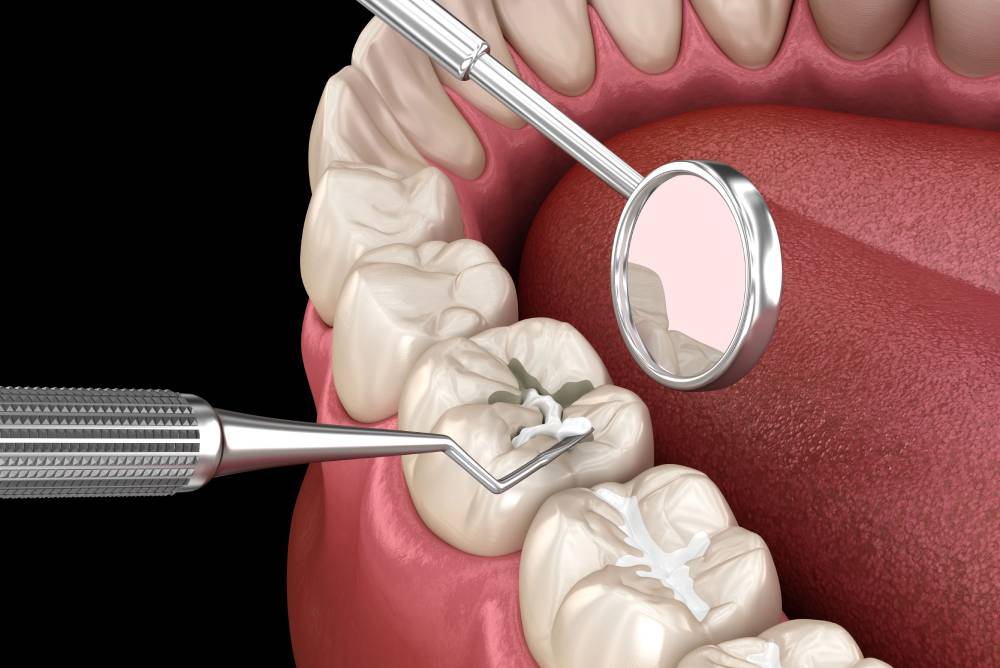
Dental sealants are thin, protective coatings applied to the chewing surfaces of teeth, particularly the back teeth (molars), as a form of preventive dental care. The sealant fills in the grooves and crevices, preventing food particles and bacteria from getting trapped, which helps reduce the risk of cavities. Sealants are commonly used in pediatric dentistry but can also be beneficial for adults who are prone to cavities.
How Long Do Dental Sealants Last?
The lifespan of dental sealants varies depending on several factors, including the type of material used, how well you care for your teeth, and the location of the sealant. Generally, sealants on teeth can last anywhere from 5 to 10 years.
However, they may need to be replaced or touched up earlier if the sealant starts to wear down or if there is damage due to biting hard foods or poor oral hygiene.
Sealants typically last longer on teeth that do not experience heavy pressure, such as the molars, which are less likely to be subjected to excessive force compared to the front teeth. In contrast, sealants on teeth that endure more wear may need to be replaced sooner.
Factors that Affect the Longevity of Sealants
Oral Hygiene
Good oral hygiene is essential for maintaining the integrity of dental sealants. Regular brushing and flossing help prevent plaque buildup, which can erode the sealant over time.
Diet and Habits
Eating sticky or hard foods can cause sealants to wear down faster. Additionally, habits like chewing on pens or ice can damage the sealant, requiring it to be replaced sooner.
Sealant Type
Some sealant materials, such as resin-based sealants, are more durable than others. Be sure to ask your dentist about the best options available for long-lasting protection.
Sealants on Teeth for Children
Sealant for teeth for a child is a preventive measure that can protect against cavities during the critical years when children are still learning to brush and floss effectively. Children are especially prone to cavities in their molars because of the deep grooves on their chewing surfaces.
Dental sealants can act as a barrier against food particles and bacteria, reducing the likelihood of cavities in these hard-to-reach areas.
How to Maintain Your Dental Sealants
Brush Regularly
Brush your teeth at least twice a day using a fluoride toothpaste to keep the surface of your sealants clean and free of plaque.
Floss Daily
Flossing removes food particles and plaque between your teeth, which can help preserve the integrity of your sealants.
Avoid Hard or Sticky Foods
Foods that are hard to chew or sticky can cause the sealant to break down or wear out prematurely.
Visit the Dentist
Regular dental checkups allow your dentist to inspect your sealants and replace them if needed. During these visits, your dentist will also clean your teeth, ensuring that your sealants remain effective.
When Should You Replace Your Sealants?
As sealants wear down over time, you may start to notice them chipping or wearing off. If you suspect that your sealants need replacing, visit your dentist for an evaluation. Your dentist will check the sealants for any cracks, wear, or gaps where bacteria could enter. If necessary, they can apply a new coat of sealant to keep your teeth protected.
Schedule an appointment with us at Grand Family Dentistry for pediatric sealants in Mandeville, LA. Our friendly and professional team will guide you through the process, ensuring that your child receives the best care possible.